
There’s something strangely cinematic about studying abroad. Maybe it’s the way ordinary routines suddenly feel meaningful when you’re in a different country. Buying bread in the morning. Sitting by a rain-streaked library window. Hearing violin music drift from a nearby street while students rush past in long wool coats and tired expressions.
I remember noticing this most during autumn in Europe. The air smelled faintly of coffee and old paper, and somehow everyone looked effortlessly thoughtful. Not polished in a modern influencer way — more like they belonged inside an old novel. A lot of students dressed in vintage clothing, carried worn leather bags, and spent hours in museums or quiet cafés with classical playlists in their headphones.
It made me realize that the study abroad lifestyle is not only about academics. It changes your sense of identity. You start paying attention to beauty differently. The music you listen to changes. The clothes you wear become more intentional. Even your idea of creativity becomes softer and deeper.
And honestly, vintage fashion and classical music fit naturally into that world.
What Is Vintage Fashion?
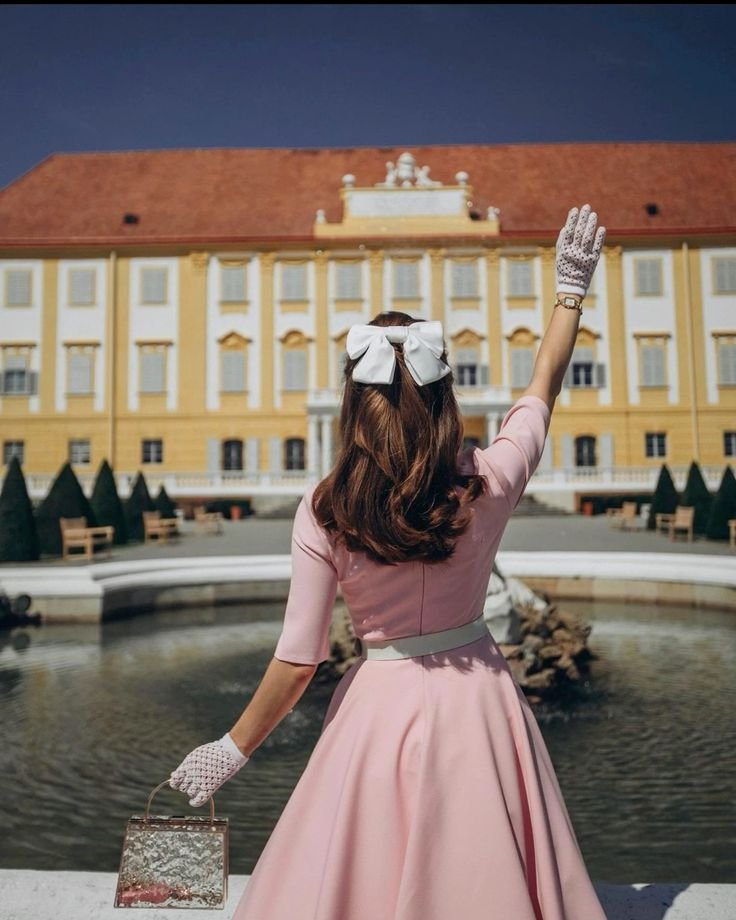
Vintage fashion is more than simply wearing old clothes. It’s about atmosphere, personality, and the stories hidden inside fabrics. A tweed blazer with slightly faded elbows feels different from something bought quickly at a fast-fashion store. It has texture. History. Character.
A lot of retro outfits today are inspired by the 1940s to 1990s — oversized coats, pleated trousers, wool sweaters, silk scarves, loafers, and structured blazers. Some people mix vintage pieces with modern basics, while others fully embrace the old-world aesthetic.
What makes vintage clothing especially appealing to students is sustainability. Many young people are exhausted by disposable fashion trends. Thrifting feels slower and more personal. You search patiently, find unexpected treasures, and wear things that don’t look identical to everyone else on campus.
There’s also a timeless quality to vintage style. Neutral colors, durable fabrics, and classic tailoring rarely feel outdated. A camel coat from ten years ago can still look elegant today. That’s probably why European student fashion often leans toward understated vintage-inspired looks instead of loud trends.
And somehow, wearing vintage makes ordinary days feel more romantic. Even studying in a crowded library feels slightly different when you’re wrapped in a heavy wool coat with ink stains on your notebook.
Why Classical Music Inspires Students

Classical music has this quiet emotional power that’s difficult to explain until you experience it in the right setting.
Late-night studying becomes calmer with piano sonatas playing softly in the background. Long train rides feel reflective instead of boring. Rainy afternoons become almost cinematic with strings and orchestras filling the silence.
A lot of students are drawn to the classical music aesthetic because it creates mental space. Unlike heavily lyrical music, classical compositions often help people focus without overwhelming their thoughts. Many students listen to composers like Chopin, Debussy, or Vivaldi while reading, writing essays, or preparing for exams.
But it’s not only about productivity.
Classical music also feeds creativity. It slows the mind down in a world that constantly demands speed. When you’re studying abroad — especially in older European cities — music starts blending into your environment. You hear piano echoes from conservatories, violinists performing near train stations, church bells ringing in the distance.
In cities like Vienna especially, music feels woven into daily life. Even people who never cared much about orchestras suddenly find themselves curious about symphonies and opera houses.
Maybe environment changes taste more than we think.
Study Abroad and Artistic Lifestyle
There’s a reason so many students romanticize studying abroad in cities like Paris, Vienna, or London. These places naturally encourage artistic habits.
In Paris, students spend hours reading beside the Seine or sitting in tiny cafés where tables are too close together and coffee arrives stronger than expected. Fashion feels effortless there. Long coats, vintage rings, messy scarves — people dress practically, but somehow beautifully.
Vienna has a quieter elegance. The city feels deeply connected to music and academia. Old libraries smell like dust and wood polish, and concert posters hang across narrow streets. You don’t even have to attend formal events to feel surrounded by art.
London is different again. More chaotic. More experimental. Students mix intellectual fashion with modern streetwear in ways that somehow work. One person wears polished loafers and a trench coat; another looks like they stepped out of a 1970s literature department.
And then there are the museums. The endless museums.
Studying abroad introduces students to creative student culture beyond classrooms. You begin spending weekends wandering galleries, collecting postcards, journaling in cafés, or discovering secondhand bookstores hidden underground.
It sounds romanticized — and maybe it is a little — but those small experiences genuinely shape people.
Dark Academia and Vintage Aesthetics

Social media has definitely amplified the popularity of dark academia fashion over the last few years. Pinterest boards filled with candlelit libraries, handwritten notes, rainy campuses, and classical statues became wildly popular, especially among students.
TikTok and Instagram pushed the aesthetic even further. Suddenly everyone wanted oversized blazers, annotated novels, old leather satchels, and moody study playlists.
But beneath the trend itself, there’s a real emotional appeal.
Dark academia reflects a desire for slower intellectual living. It romanticizes learning, literature, philosophy, art history, and thoughtful solitude. For students overwhelmed by digital culture, this aesthetic feels comforting. Grounded.
Of course, real academic life isn’t always elegant. Sometimes it’s stress, deadlines, and microwaved noodles at midnight. But aesthetics can still shape motivation. Wearing clothes that make you feel confident and thoughtful genuinely changes your mood.
And honestly, there’s something lovely about seeing young people become excited about books, museums, and classical concerts again.
Best Vintage Fashion Styles for Students
Vintage-inspired student fashion works best when it feels practical rather than costume-like.
Tweed blazers are probably the easiest starting point. They instantly create structure and pair well with denim, trousers, or skirts. Slightly oversized fits usually look more natural.
Wool coats are another staple, especially during autumn and winter abroad. Long charcoal or camel coats work with almost everything and somehow make even exhausted students look sophisticated.
Pleated skirts remain popular because they balance elegance with comfort. Paired with knit sweaters and loafers, they create that effortless academic aesthetic many students love.
Speaking of loafers — they’re everywhere in European student fashion. Comfortable enough for walking through cities all day, but polished enough for museums, lectures, or cafés.
Neutral colors dominate most vintage-inspired wardrobes: brown, beige, navy, cream, grey, olive. These shades layer beautifully and make mixing outfits easier, especially for students packing limited clothing abroad.
The goal isn’t perfection. The best retro outfits usually look slightly lived-in. A wrinkled sleeve. Scuffed shoes. A scarf thrown on carelessly before class.
That realism makes the style feel human.
How Classical Music Helps While Studying
Classical music creates rhythm without distraction. That’s probably why so many students rely on it during intense study sessions.
Piano compositions can make reading feel calmer. Baroque music often helps with concentration because of its repetitive structure. Film scores also work surprisingly well for essay writing, especially during long nights in quiet libraries.
Some students build entire routines around music. One playlist for morning lectures. Another for rainy evenings. Another for exam season panic.
There’s also an emotional comfort in it.
Studying abroad can feel lonely sometimes, even when everything looks beautiful online. Homesickness arrives unexpectedly. Winter afternoons feel endless. In moments like that, music becomes grounding. Familiar. Private.
And maybe that’s why the combination of vintage fashion, classical music and creative student culture feels so connected. Together, they create a softer way of living — one that values beauty, thoughtfulness, and atmosphere in everyday life.
Conclusion
The older I get, the more I think style and music are really about memory. The coat you wore during your first winter abroad. The piano piece that played while you studied for exams at 2 a.m. The café where you sat pretending to read while watching rain slide down the windows.
Study abroad experiences change people quietly.
Sometimes through classrooms. Sometimes through cities. And sometimes through vintage clothing, classical music, and the small artistic rituals that make ordinary student life feel unforgettable.
FAQs
What is dark academia fashion?
Dark academia fashion is an aesthetic inspired by classic literature, vintage academic clothing, muted colors, and intellectual culture.
Why do students listen to classical music while studying?
Many students find classical music calming because it improves focus, reduces distractions, and creates a peaceful study atmosphere.
Is vintage fashion popular among study abroad students?
Yes, many students abroad enjoy vintage clothing because it feels timeless, sustainable, and connected to European student fashion culture.