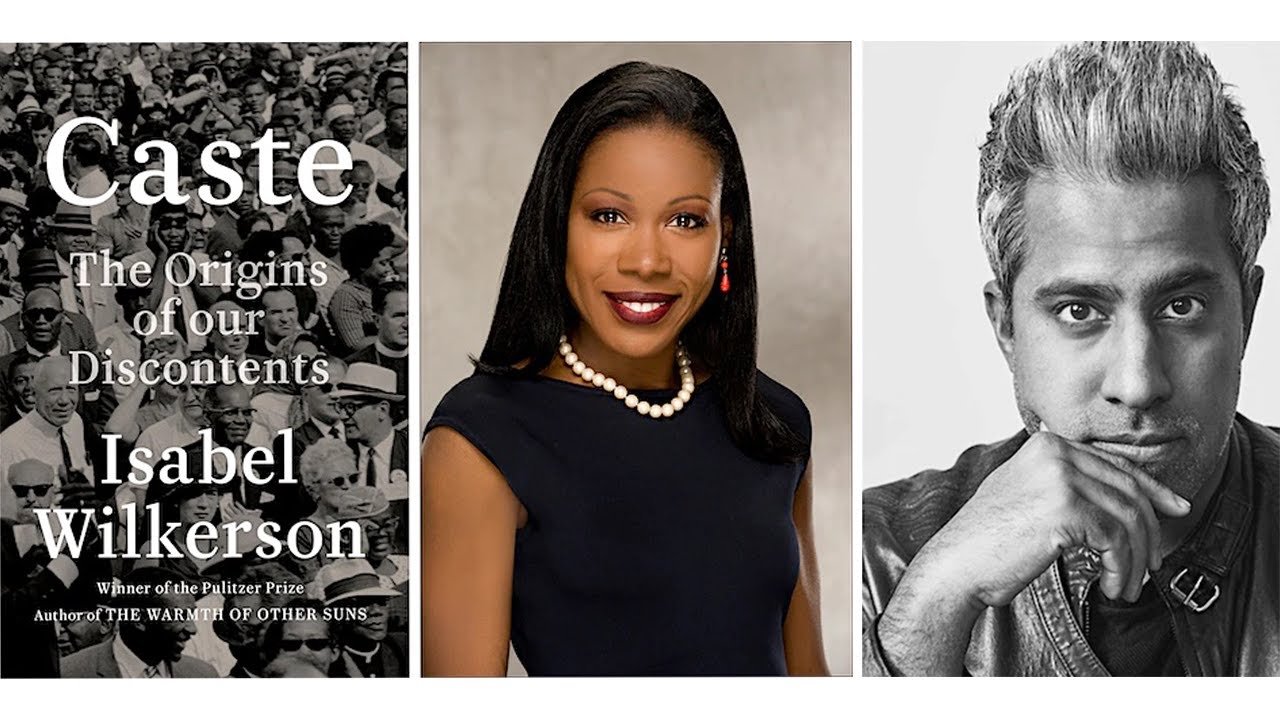
Roderick Jeffrey Watts and Isabel Wilkerson are two highly respected intellectuals whose work has significantly shaped modern conversations about race, inequality, education, and social justice. While they come from different professional fields, both have devoted their careers to helping people better understand systems of oppression and the importance of social awareness.
Watts is known for his work in psychology and youth empowerment, while Wilkerson has become internationally recognized for her powerful storytelling and historical analysis. Together, their contributions offer a deeper understanding of American society and the challenges surrounding racial inequality.
The Academic and Social Vision of Roderick Jeffrey Watts
Roderick Jeffrey Watts is a scholar, educator, and psychologist whose research focuses on community psychology, liberation psychology, and civic engagement. His work centers on helping young people develop what scholars often call “critical consciousness,” which means understanding social inequalities and learning how to challenge them.
Watts believes education should not only provide information but also encourage individuals to think critically about society. He has spent much of his career studying how race, poverty, and discrimination affect communities and how people can work together to create positive social change.
One of the key themes in Watts’ work is empowerment. He argues that marginalized groups, especially young people, should have opportunities to participate in decision-making processes that affect their lives. Through workshops, educational programs, and community-based research, he has encouraged students and activists to become leaders in their communities.
His ideas are especially important in discussions about social justice education because they promote awareness, dialogue, and action rather than passive learning. Watts has inspired educators to create classrooms where difficult conversations about race and inequality can happen openly and respectfully.
Isabel Wilkerson’s Powerful Contribution to American History
Isabel Wilkerson is one of the most influential journalists and nonfiction writers of modern times. She became the first Black woman to win the Pulitzer Prize for journalism for her reporting at The New York Times. Her work combines historical research with emotional storytelling, making complex social issues accessible to a broad audience.
Wilkerson gained worldwide recognition through her groundbreaking book The Warmth of Other Suns. The book tells the story of the Great Migration, during which millions of African Americans left the South between 1915 and 1970 in search of freedom, safety, and better opportunities.
Rather than simply presenting statistics, Wilkerson focused on personal stories. She followed the lives of ordinary individuals whose journeys reflected the struggles and hopes of an entire generation. This storytelling approach helped readers connect emotionally with history and understand the lasting impact of segregation and discrimination.
Her later book, Caste: The Origins of Our Discontents, expanded these conversations even further. In Caste, Wilkerson argues that America’s racial hierarchy operates similarly to caste systems found in other parts of the world. The book sparked major public discussions about systemic racism, privilege, and hidden social structures.
Shared Themes Between Watts and Wilkerson
Although Watts and Wilkerson work in different disciplines, their ideas strongly connect in several meaningful ways.
Understanding Structural Inequality
Both scholars emphasize that inequality is deeply embedded in social systems rather than being limited to individual attitudes. Watts studies how institutions influence psychological and social development, while Wilkerson explores how history and social structures shape people’s lives across generations.
Their work encourages readers to move beyond simple explanations of racism and instead examine the larger systems that sustain inequality.
Education as a Tool for Change
Education plays a central role in both of their philosophies. Watts promotes critical thinking and civic participation, especially among youth. He believes informed individuals are better equipped to challenge injustice and strengthen their communities.
Wilkerson educates readers through storytelling and historical analysis. Her books encourage people to confront uncomfortable truths about history while also developing empathy for others.
Together, they demonstrate that education can inspire awareness, compassion, and action.
The Importance of Human Experience
Another major connection between Watts and Wilkerson is their focus on lived experiences. Wilkerson’s writing highlights deeply personal stories that reveal broader social realities. Similarly, Watts values community voices and personal narratives in understanding oppression and empowerment.
Both remind us that statistics and theories become far more meaningful when connected to real human lives.
Why Their Work Matters Today
The ideas of Roderick Jeffrey Watts and Isabel Wilkerson remain highly relevant in today’s world. Conversations about racial justice, inequality, education, and civic engagement continue to shape politics, media, and public life across the globe.
Watts provides valuable frameworks for understanding empowerment, activism, and youth leadership. His work helps educators and organizations create spaces where social awareness can grow.
Wilkerson, meanwhile, offers historical insight that allows readers to better understand the roots of inequality in America. Her books have encouraged millions of people to reflect on history and examine how the past continues to influence modern society.
Together, these thinkers help audiences understand that meaningful social change requires knowledge, empathy, and courage.
FAQs
Who is Roderick Jeffrey Watts?
Roderick Jeffrey Watts is an American psychologist, educator, and scholar known for his work in community psychology, social justice education, and youth empowerment.
What is Isabel Wilkerson best known for?
Isabel Wilkerson is best known for her Pulitzer Prize-winning journalism and bestselling books The Warmth of Other Suns and Caste.
What does critical consciousness mean?
Critical consciousness refers to understanding social inequality and taking action to challenge injustice. This idea is strongly connected to the work of Roderick Jeffrey Watts.
Why is The Warmth of Other Suns important?
The book is important because it documents the Great Migration through personal stories, helping readers understand a major period in American history.
What is the main idea of Caste?
Caste explores hidden social hierarchies and argues that systemic inequality functions similarly to caste systems found around the world.
How do Watts and Wilkerson influence modern discussions on race?
Both contribute to conversations about race and justice by encouraging deeper understanding of inequality, history, education, and social systems.